
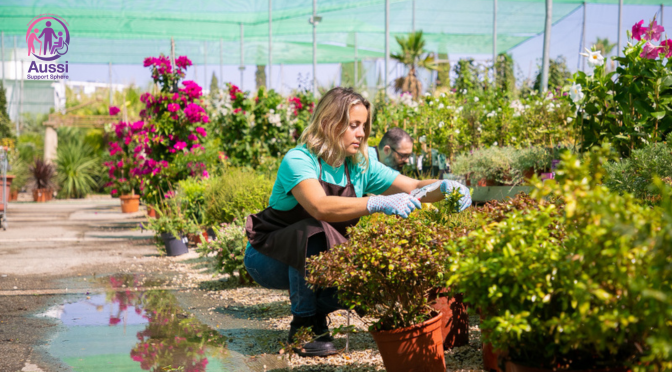
The NDIS provides a wide range of services to improve the quality of life for participants. One such service that has gained significant attention is NDIS gardening services in Midland. While gardening is often seen as a recreational activity, it can have profound benefits for mental health. In this blog, we will explore the positive impact of gardening services on mental well-being and how they foster independence and enhance emotional health for NDIS participants.
Gardening as a Therapeutic Tool
Gardening is not just about planting flowers or maintaining a garden. It is a therapeutic activity that can have lasting benefits on mental health. Research shows that spending time in nature, particularly engaging with plants, can significantly reduce stress, anxiety, and depression. For individuals with special needs, NDIS gardening services in Midland provide an opportunity to connect with nature in a structured and supportive way.
Reducing Stress and Anxiety
One of the most immediate benefits of gardening is its ability to reduce stress. Gardening encourages participants to focus on the present moment, which can divert attention away from everyday worries. This mindfulness aspect of gardening promotes relaxation and helps to lower stress levels. Simple tasks such as watering plants or trimming hedges can have a calming effect, providing a much-needed mental break from the stresses of daily life.
Studies have shown that spending time in green spaces can lower cortisol levels, the hormone associated with stress. NDIS yard maintenance in Midland enables participants to experience these benefits, contributing to a healthier mental state.
Building a Sense of Accomplishment and Purpose
For many individuals with different abilities, achieving a sense of accomplishment can sometimes be challenging. NDIS yard maintenance gives participants a tangible way to measure their success. From planting seeds to watching them grow into full-fledged plants, gardening provides a sense of purpose and achievement. Completing gardening tasks, no matter how small, helps individuals feel a sense of pride and self-worth.
This sense of accomplishment boosts confidence and reinforces a positive mindset. Gardening gives participants the opportunity to engage in meaningful work that has visible results, which is essential for promoting mental well-being.
Promoting Social Interaction and Connection
Gardening, especially when done in community settings, can foster social connections. Many NDIS gardening services in Midland encourage group activities where participants can interact with others while working on garden projects. This social aspect of gardening is incredibly beneficial for individuals who may experience social isolation due to their disability.
Through shared activities, individuals can form connections, exchange experiences, and build relationships with others who understand their journey. Social engagement is known to have a positive impact on mental health, and this service facilitates these valuable interactions, making them an essential component of holistic mental health care.
Boosting Physical Health and Well-being
Physical activity is closely linked to mental health. Gardening provides a moderate form of physical exercise, whether it’s digging, planting, or pruning. This low-impact activity helps improve circulation, boosts energy levels, and contributes to overall physical well-being. As a result, individuals who engage in gardening are helping not only their mental health but also their physical health.
The benefits of being outdoors, breathing fresh air, and getting sunlight also play a role in improving mood and promoting mental wellness. Gardening encourages participants to spend time outdoors, which helps increase vitamin D levels and fosters an overall feeling of well-being.
Encouraging Independence and Self-Sufficiency
NDIS yard maintenance in Midland helps foster a sense of independence by enabling participants to care for their environment. Many individuals with different abilities face challenges when it comes to performing tasks independently, but gardening offers a practical solution. With this support, your loved ones can manage their gardening tasks and take ownership of their outdoor spaces.
This newfound independence can also translate into other areas of life. As participants build skills and confidence through gardening, they become more empowered to take on other responsibilities, leading to a greater sense of self-sufficiency and emotional well-being.
Transform Your Outdoor Space with NDIS Gardening
Get in touch with Aussi Support Sphere Pty Ltd to learn how our NDIS gardening services in Midland can help you grow stronger, healthier, and more independent.
FAQs:
How can NDIS gardening services help reduce stress?
NDIS gardening services in Midland promote mindfulness by encouraging participants to focus on tasks like watering plants or trimming hedges. These activities help divert attention from daily worries, reduce stress, and encourage relaxation. Gardening in green spaces has been shown to lower cortisol levels, a hormone linked to stress.
Can gardening improve mental health for individuals with different abilities?
Yes, gardening can have significant benefits for mental health. It provides a sense of purpose, achievement, and connection with nature. For your loved ones with disabilities, NDIS gardening or yard maintenance offers a structured way to engage in these therapeutic activities, contributing to improved mood and reduced anxiety or depression.
Is yard maintenance an effective way to promote social interaction for NDIS participants?
Absolutely. NDIS yard maintenance in Midland often involves group activities, which help participants interact with others and build meaningful connections. This social engagement reduces feelings of isolation and supports emotional well-being by fostering friendships and a sense of community.
How does gardening help build independence for NDIS participants?
Gardening or yard maintenance allows participants to take responsibility for caring for their environment, which enhances their sense of independence. Through tasks like planting and maintaining a garden, individuals gain skills and confidence that empower them to manage other aspects of their lives, promoting self-sufficiency and overall well-being.


